
The theme for the 2027-2028 National Endowment for the Arts Big Read is “Read Like a Champion: Celebrating Great American Sports Stories.” From classic underdog victories to incredible tales of teamwork and resilience, sports stories give everyone something to cheer about.
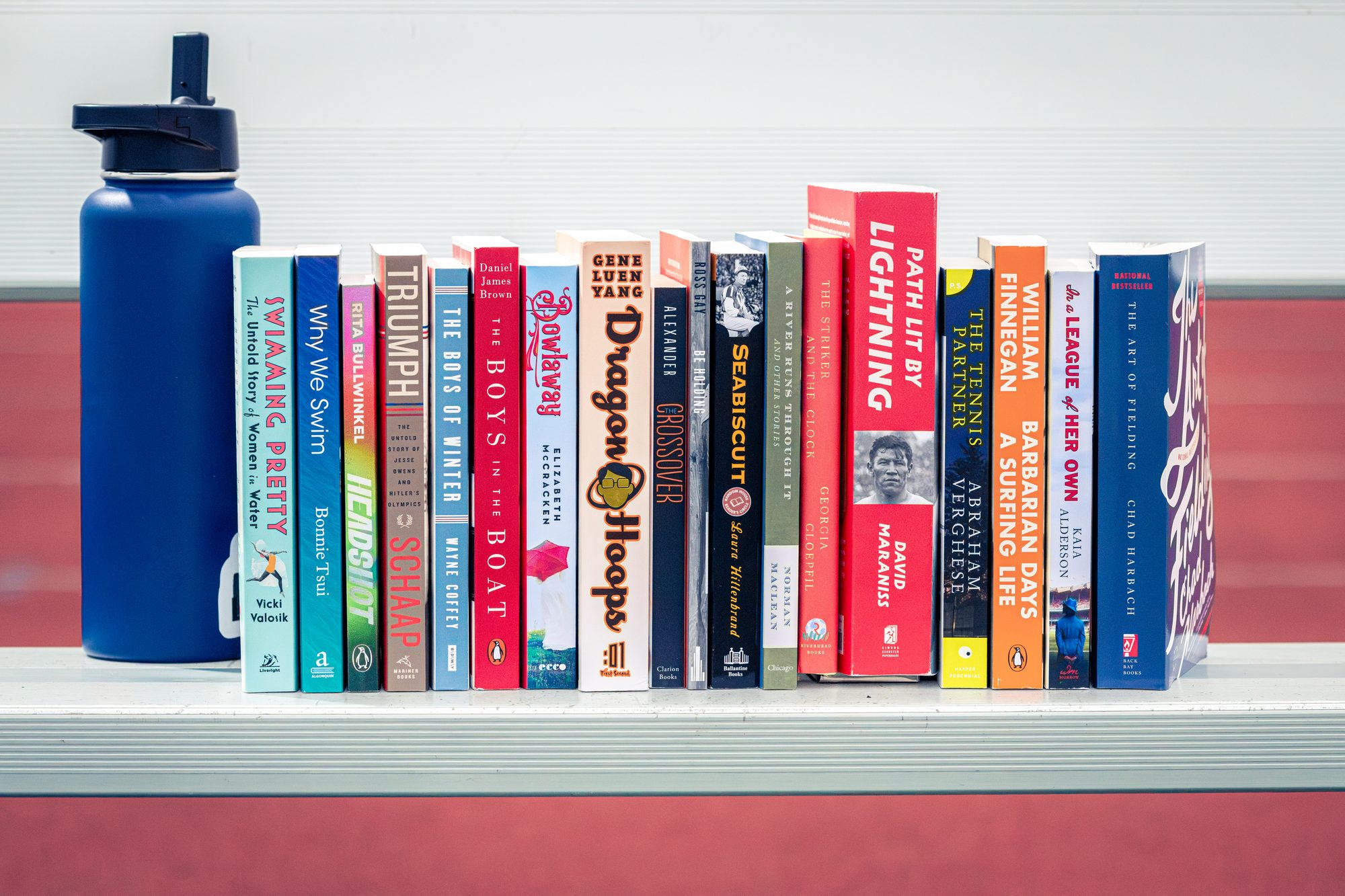
With a roster of 18 books about sports—from boxing to bowling and everything in between—you can choose a book (and a sport) that will uniquely speak to your community.
Looking for some creative programming ideas? Put us in, coach.
Reviewing the Big Read Rulebook
The Big Read is a federal grant of up to $30,000 through the National Endowment for the Arts, bringing communities together around the shared activity of reading and discussing the same book.
Nonprofits and organizations like libraries, school districts, colleges and universities, local and tribal governments, and museums can select one book from a library of options and build programming around it.
Along with providing free copies of the book in their communities, Big Read grantees create events based on the book and its themes, in partnership with other local organizations.
Part of the application will ask you to describe the events you’d program around the book and its themes. These tips are designed to help you think big about sports—on the page and in your community—so you can up your programming and partnership game and knock this Big Read out of the park.
Before You Apply
-
Best Practices for Federal Grant Applications
Federal funding for the arts is available but not always the most accessible, especially if you’ve never applied for opportunities in the past. This article provides a basic eligibility roadmap for non-profit organizations that are new to seeking federal funding.
-
How to Build Your Federal Award Budget
This will guide you through federal grant budgets: what’s allowed, what’s expected, and how to avoid headaches at the reporting stage.
-
Reporting on Your Federal Award
With good bookkeeping and attention to detail, you can wrap this grant successfully and set yourself up for future wins, too.
Tip 1: Team Up with Local Organizations
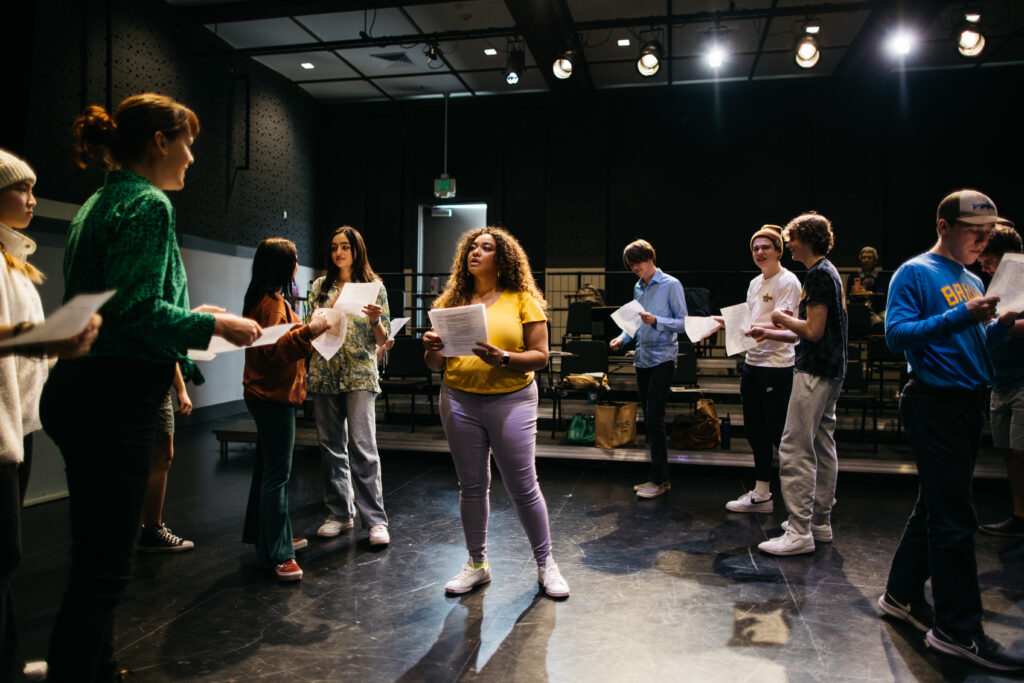
A Big Read requirement is to partner with other organizations to reach more community members. One has to be a library (unless the applicant is a library). Other than that, you can think broadly! Who’s positioned in your town to co-host a sports-inspired event that brings people together around a book?
-
Parks and Recreation Departments
Parks and Recreation employees know all the ins and outs of local sports spots, from the pool to the skate park to the baseball diamond to the volleyball court. They can be great partners for community (especially outdoor!) events related to staying active.
-
Local Leagues and Sports Teams
Most towns have a bowling league, Little League, dance squad, or Ultimate Frisbee club. And many communities host a variety of sports teams, from high school all the way to semi-pro or pro. Partnering with a team or league can serve up a variety of programming options for sports fans.
-
Gyms and Studios
Does your town have a martial arts, dance, or yoga studio? A tumbling, climbing, or kickboxing gym? From the general to the niche, these sports hotspots can reach lots of new readers.
You don’t have to think of every possibility before you reach out; the best ideas often come from collaboration. Just make the ask—you won’t strike out!
Please note: Per the Big Read guidelines, federal funds and their cost share/match cannot be used to present or attend sporting events, participate in physical fitness classes, or purchase or rent sports equipment for recreational use.
Tip 2: Think Big with Themes
No matter the game or the player, sports involve a lot of themes many people can relate to: perseverance, teamwork, mentorship, endurance, defying the odds, even the great outdoors.
Don’t feel limited to just the particular sport or athlete your book spotlights. When you look at broader themes, your programming can take a thoughtful turn and offer moments to gather, reflect, and act.
Getting people into the same space to think and share—not just about the book, but about how it connects to their own lives—is a powerful form of engagement and neighborly bonding.
Bring Art Into It!
-
Stories
Read the StoriesStories
Inspired By a Book, These Artists Made a Planetarium Their Screen
March 11, 2024
Two art films, one focused on land and another an homage to the sky, were inspired by Andrew Krivak’s The Bear.

Start a Story Circle
-
Guides + Tools
Read the Guides + ToolsGuides + Tools
How—and Why—to Facilitate a Story Circle
October 1, 2024
Story circles, a tool developed by rural grassroots theater makers and organizers, make it possible for people to share their experiences and discover–often to their surprise–how much they actually have in common. Here’s how it’s done.

Launch a Letter-Writing Activity
-
Stories
Read the StoriesStories
Practicing the Art of Love, One Letter at a Time
April 9, 2025
In a small-town Minnesota, love became something to share out loud, thanks to a workshop from artist-in-residence JJ Kapur.

Tip 3: Make It a Game
(Friendly) competition is an integral part of sports. Can you layer that element into your programming? To keep accessibility in mind, ask registrants about accessibility needs in advance and embrace adjustable activities.

- Relay race: Set a fun challenge for teams, like answering a trivia question per 100-meter run, walk, or ride.
- Games + book chat: Combine a book club with a friendly game in the park. Encourage participants to bring a favorite game like cornhole, ladder toss, or bocce.
- Book tournament: Get your brackets ready! Set up a bracket of beloved sports books (including the Big Read book!) and invite readers to vote on their favorites. Winning titles face off until only one victor remains.
- Passport for companion titles: Challenge serious readers to check out related books and collect stamps. Consider making one for young readers, too.
- Trivia: Offer book-related (and relevant sport-related) trivia.
A note on prizes: Federal funds and their cost share/match cannot be used to offer prizes or concessions (and this includes in-kind donations built into your matching budget). Bragging rights, a winner’s board, or any kind of cost-free celebration (Be a “Librarian for a Day!” Choose the film for a screening party! Get your name announced over the radio!) are great incentives instead.
Tip 4: Bring In the Experts
Every town has local sports celebrities. From players to coaches to broadcasters, you have neighbors with stories and skills to share. You can also bring in out-of-town voices, including the author or a featured athlete or coach from your Big Read book.
With an expert or two on board, you can program:
-
Panels and Q&As
Invite authors or sports celebrities. Virtual, in-person, or hybrid options let community members learn from people who’ve lived it.
-
Lectures or Tours
Is there a local historian who can explore how certain sports have evolved in your area, or share lore about legendary local athletes? Sports stories are as fun as the game itself!
-
Film Screenings
Are there any sports documentaries or films with a connection to your area? Host a screening and invite an expert—someone who worked on the film, or with a background in the sport—to facilitate a community conversation afterwards.
If you need some guidance on drafting agreements for visiting authors or speakers, check out our resource about navigating author contracts!
Tip 5: Sporting Events = Publicity Power Plays
Helloooo, Jumbotron! Any opportunity to get books in people’s hands, make connections, and spark conversations is worth pursuing. And what better way to reach people about sports . . . than at a sporting event?
- Throw the first pitch at a minor (or major!) league baseball or softball game. Don’t forget to hold up the book!
- Invite sports heroes to your kickoff event. Whether it’s a book giveaway or a mayoral proclamation, be sure to get teams, coaches, sports reporters, and more in on the Big Read from day one.
- Work with local teams to create posters featuring athletes alongside the Big Read book. (Remember those iconic READ posters from the 90s?)
- Host a meet-and-greet with local athletes. Pro, semi-pro, and rec league players can all have quite a following. Offer readers the chance to get their book signed by the athletes they love to watch!
- High school sports are often big community draws—so show up! Set up a table, give out books, and pass out flyers for upcoming events.
Explore the 2027-28 Big Read Library
The 18 titles available this cycle explore the connections we forge through sports and the ways both sports and the arts reflect who we are as a people.

On Your Marks
Once you’ve taken stock of your community’s sports landscape, pick a book that will spark the most exciting opportunities.
Don’t forget to triple-check those Big Read guidelines, review federal grant requirements, and ask an Arts Midwest team member if you have any questions. You got this.
Play ball!