
Two men walk into a bar, drink some whiskey, and write one sentence on a bar napkin. It sounds like the setup to a joke, but this story doesn’t end with a clever punchline. After a night of drinking, one of the men, Mr. Zehmer, agreed to sell the other, Mr. Lucy, his farm. They “formalized” the agreement with one-sentence on a bar napkin contract. Mr. Zehmer later argued that he was joking, but a court found it did not matter because the simple napkin created a valid contract.
Although legally valid, most of us would not consider this an ethical way to enter into a relationship with someone. It has been over seventy years since those two men walked into a bar and Mr. Zehmer sold his farm on a bar napkin. Today, the difference between a valid contract and an ethical contract remains an important distinction.
This guide outlines steps you can take to create ethical contracts, ensuring you are entering into clear, carefully drafted, and conscientious agreements with your creative and business partners.
Why Care About Contracts Being Ethical?
The law asks very little of a contract. But ethical contracts ask more: they ensure all parties feel adequately represented and help avoid costly and burdensome legal disputes. As Gilbert Parker said, “[n]othing is so unproductive as the law. It is expensive whether you win or lose.”

Put It on Paper
One of the most important ways to create an ethical contract is to ensure both parties are agreeing to the same terms.
Remember playing “Telephone” in school? One person started with “Rubber Duck” and by the end of the line your classmate had heard “Brother Doug?” Communication is difficult. Even in the best of circumstances, one person can say something a certain way, while meaning something else, and the listener can hear something entirely different. That’s three versions of one piece of information.
This is why written contracts are essential. The best way to avoid one party believing the terms are X, while the other believes they are Y, is to write down what you’ve both agreed to.
Mind the Gaps
Now that you have decided to write down the terms of your contract, you might be wondering what to write down. In other words: what are the key terms of your contract? Some examples: detailed price and payment terms (does the price of an artwork include framing and shipping? etc.), timing and method for deliverables, when the contract starts, how long it lasts, and how it can be terminated, and what will happen if the parties disagree (mediation, arbitration, court proceedings).
To ensure you are not missing anything–especially where leaving room for ambiguity and argument would be damaging–ask yourself what the worst-case scenario looks like or where the parties may not agree. For example, two common gaps I see in artist contracts are not identifying the owner(s) of the different rights in an artwork (physical versus the intellectual property rights), and not spelling out what happens to the artwork when the contract ends.
Addressing gaps is important because, if missed, the only solution for filling the gap is the law, which is not always built to protect everyone involved equally. A case from New York helps demonstrate how the law fails to protect artists where these gaps exist. In 5pointz, the owner of an exhibition space holding approximately 10,650 works of art decided to whitewash all of it to make way for a new development. No contract said who owned the works once they were on the building and what, if anything, the artists could do if the building owner decided to destroy them. The artists tried and failed to stop the destruction in court. Only 45 works qualified for monetary damages, because the others did not meet the legal standard.
Even with a written contract, the artists may not have been able to stop the destruction. But they would have had a much easier time getting monetary damages through a breach of contract claim, rather than relying on intellectual property law.
Common Pitfalls in Arts Contracts
Four gaps that come up again and again: no clear ownership delegation between the physical work versus the copyright; no plan for artwork left behind after a show; pricing rules that aren’t specific enough; and what happens if the parties disagree.

Found a Sample Contract Online?
Before you use it, ask:
- Is it for the same kind of business?
- Is it for the same kind of transaction (ex. sale of goods or services)?
- Are the terms clearly defined?
- Do the terms represent a fair baseline for your market?
- What’s missing that you’d want to know?
- Does it cover what happens when the contract ends or the relationship sours?
Communicate Clearly
You’ve followed steps one and two, so you now have a written contract that covers all the key terms. But can both parties understand it? This is where the Zehmer/Lucy bar napkin contract failed. They had a written contract that included some key terms, but didn’t agree on what it meant. With contracts, what’s on the page matters more than what’s in your head. So it is vitally important for everyone to understand what’s been written down and agree on its meaning.
Contracts are often written in legalese, the arcane language of lawyers, and can feel intimidating. Instead of admitting they don’t understand something, a party will often simply sign it without reading it or asking for clarification.
So, what can you do to make sure both parties understand the agreement?
-
Write in plain language.
If legalese is not needed, don’t use it. Legalese is usually a product of lawyers resisting change, not magic words a contract requires.
-
Give the other party meaningful time to review.
What counts as meaningful depends on the complexity of the contract but a good rule of thumb is at least five days.
-
If something is unusual, call it out.
For example, your organization uses a special standard to price artwork that isn’t typical for the industry, or what industry insiders would call “market”.
-
Offer to talk through the agreement together.
Sometimes, the “old school” method of talking in person is the best. But if the contract is challenged, what’s written wins, not what was said aloud. Still, a conversation helps keep everyone on the same page.
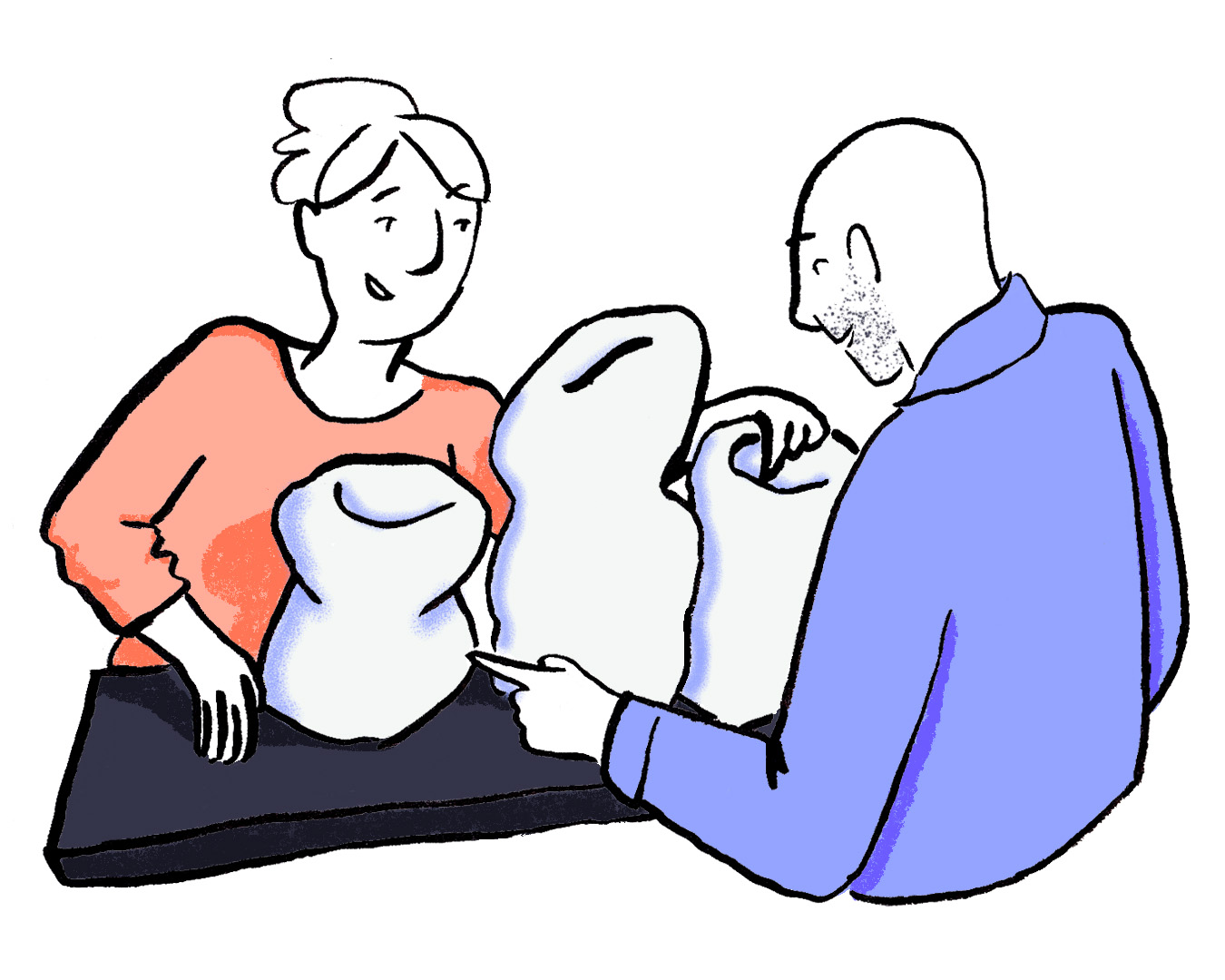
Mediation vs. Arbitration, Explained
A neutral third party helps both sides talk it out and reach their own agreement.
A neutral third party hears both sides and makes the call, which is usually binding.
Proceed Courteously
You’ve done the work to create an ethical, easily-understood contract. But let’s be honest: you’re representing your own interests, or your organization’s. You’re not required to make every term fair to the other party. However, to contract ethically you have an obligation to negotiate in good faith. Call it Midwest Nice–Contract Edition.

Ask Only For What You’ll Use
Think about what you really care about and don’t ask for terms you don’t need or rights you won’t use. Don’t request exclusivity just because you found it in the sample contract. Do you really need the artist to work only with your organization for a set period? Or can you cede a bit more freedom to them?
Raise the Touchy Stuff Early
If your gallery’s policy is to destroy artworks that are not picked up within a certain number of days from the conclusion of an exhibition, flag it up front and be clear that it is non-negotiable.
Set Up a Way to Handle Conflict Before You Have One
Name a mediator, for example. It is much easier to decide how to divorce when you are happily married than when you’re arguing.
A contract is where a working relationship starts. When we choose to enter into ethical contracts, we ensure both parties are starting this relationship with a clear understanding of what is expected and set the path to best avoid arguments and costly legal disputes in the future.
You don’t need to overhaul everything at once. Pull up the last contract you sent an artist and read it as if you were them. Is anything unclear? Is anything missing? A few tweaks can go a long way to turning a bar napkin into something worth signing.
Need a Starting Place?
Here are three resources to get you started: