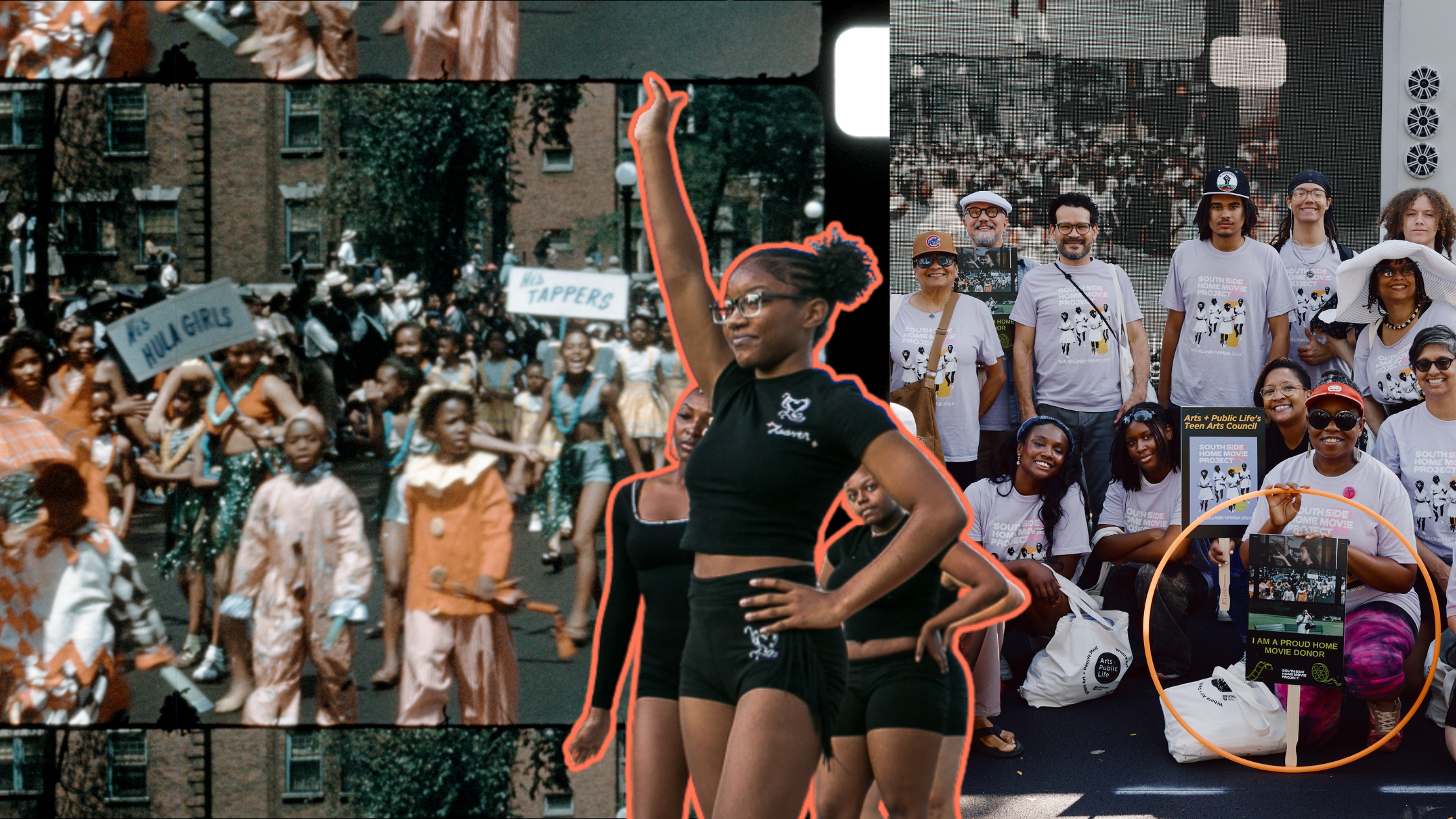
Camille Townson grew up in Nashville and outside of Detroit, but a collection of vintage home movies from Chicago, Illinois, has provided them with a sense of place.
“It’s been the most enmeshed I’ve ever felt anywhere I’ve lived,” says Townson, who now works as the Project Manager and Processing Archivist for South Side Home Movie Project (SSHMP). “I’m learning so much about the history. Down to the blocks.”
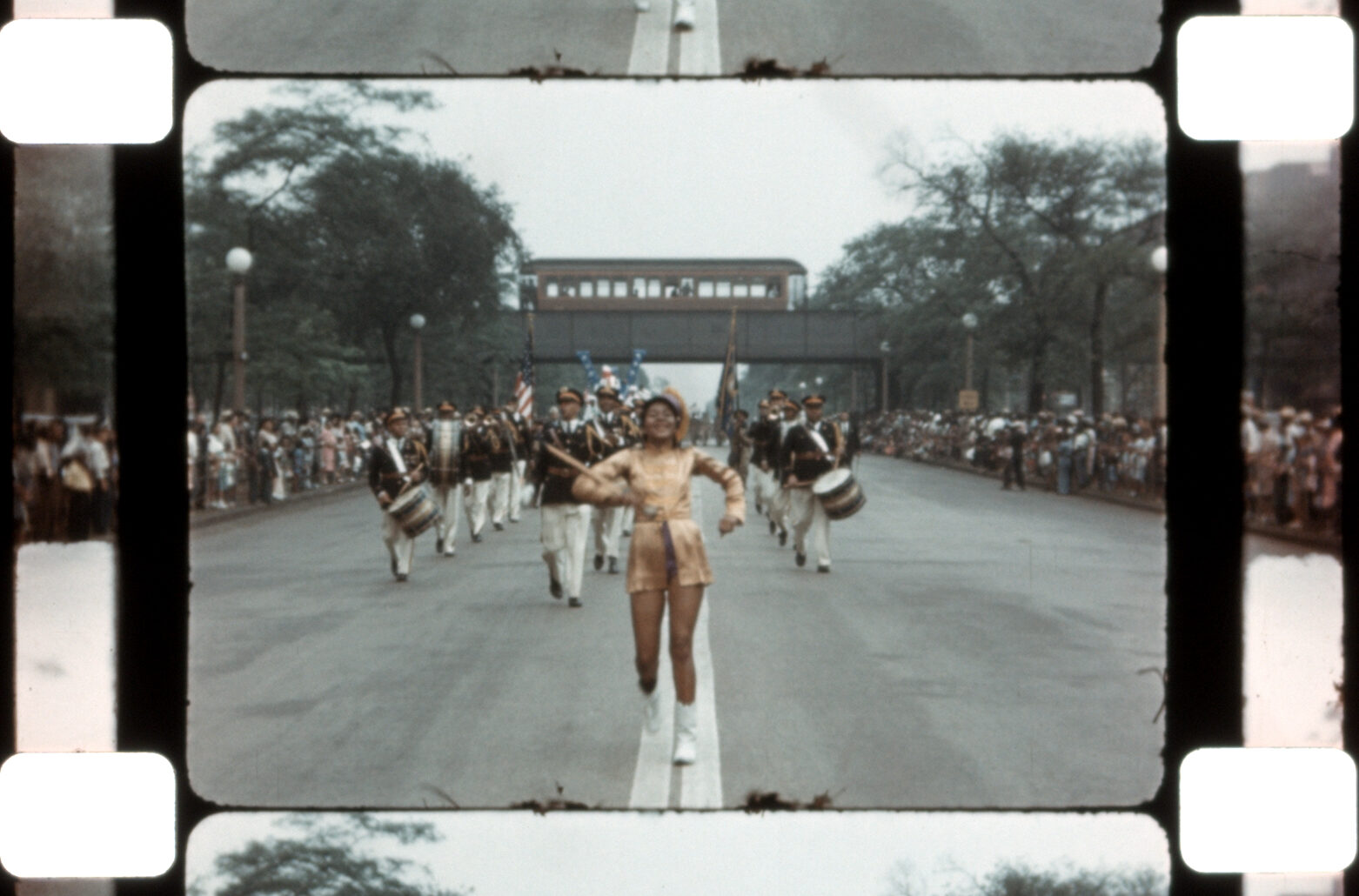
For the past 20 years, Chicago’s SSHMP has been canvassing the dusty shelves, forlorn garages, and chockablock basements across the city’s South Side in order to build a priceless celluloid archive of everyday people.
Founded by media studies scholar and South Side native Jacqueline Stewart, the archive’s collection of now almost 1,500 reels spans decades. It’s pushing the limits of what their vault space at the University of Chicago Film Studies Center can physically contain.
It’s a collection of media whose heyday has passed, but whose importance grows by the day. The tangibility of physical films like home movies—especially as recorded by the disproportionately Black population that has defined Chicago’s South Side since the Great Migration—has become even more valuable in an era dominated by digital ephemerality.
“The great thing about film is that, when you pull out a piece of it, you can see each individual frame, each individual image,” Townson says. “As long as you have a camera or a light source, you’re always going to be able to see it. You don’t need any proprietary software. I think I have 30,000 photos or videos on my phone right now, and when that gets bricked, it’s pretty much gone.”
Increasingly, the generations who grew up in a digital era have come to recognize the value of physicality.
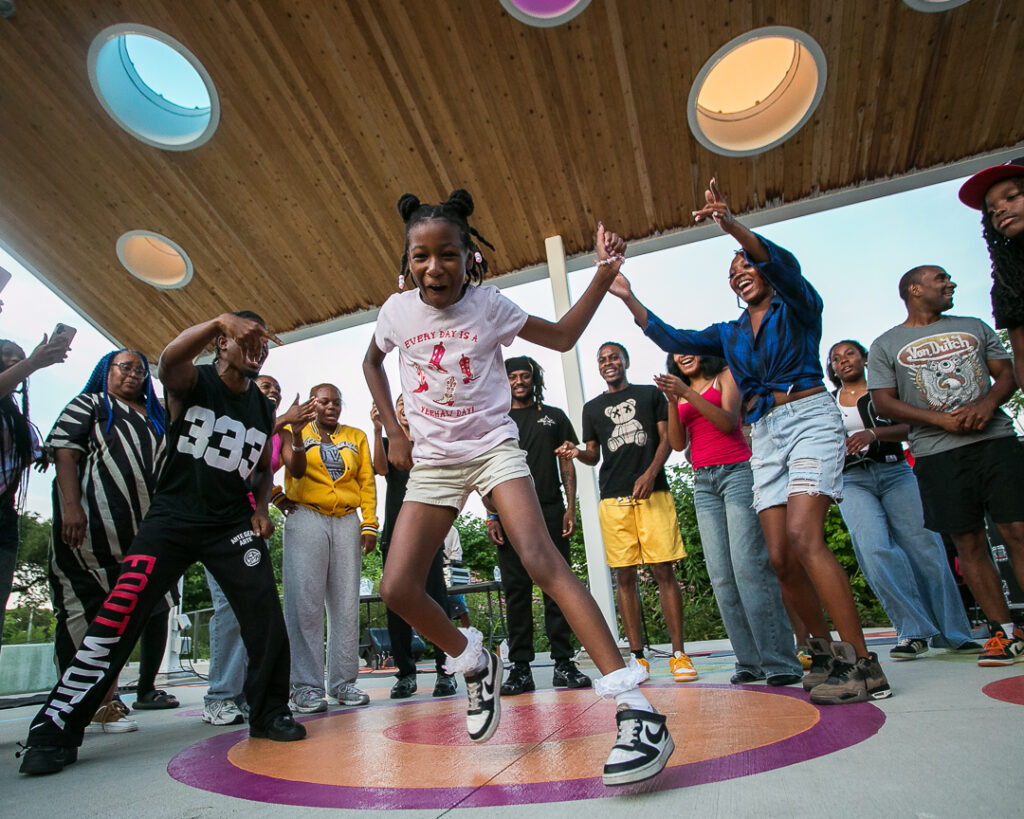
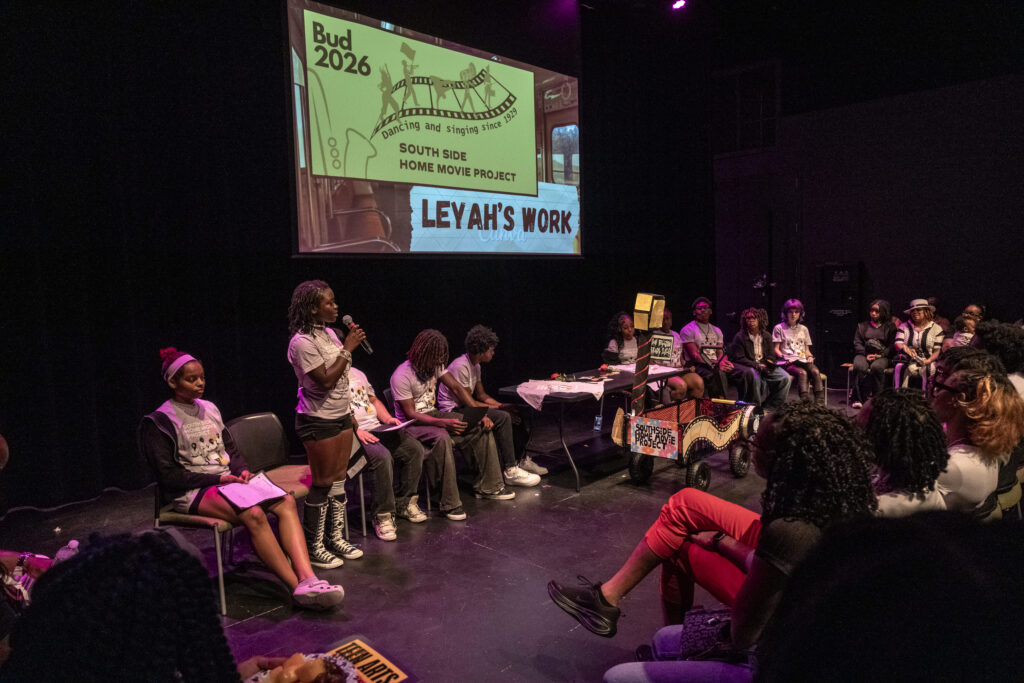
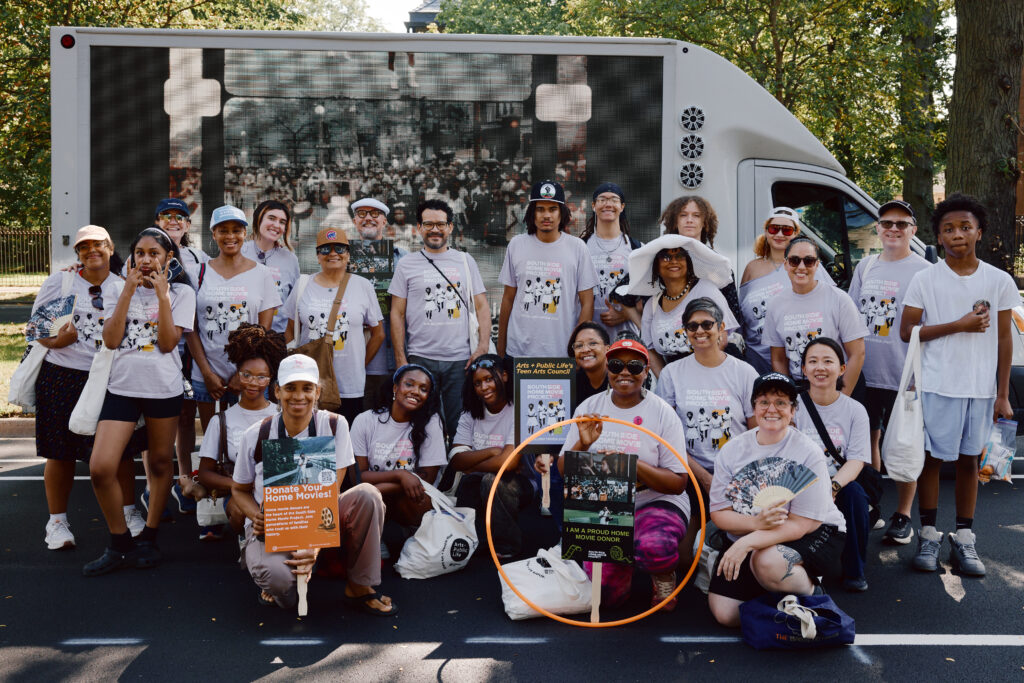
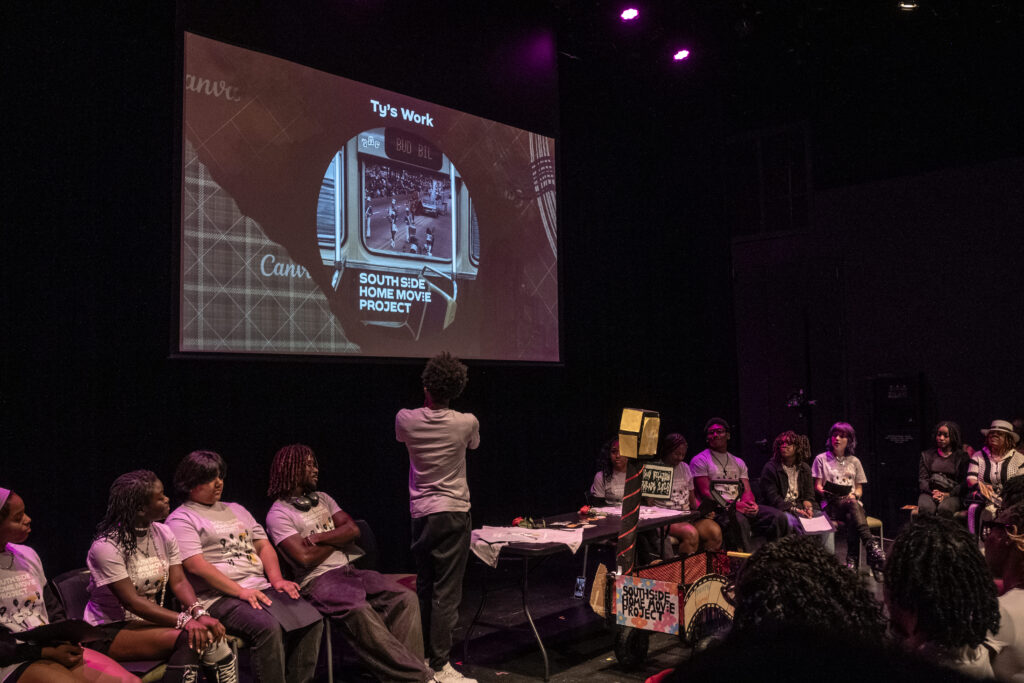
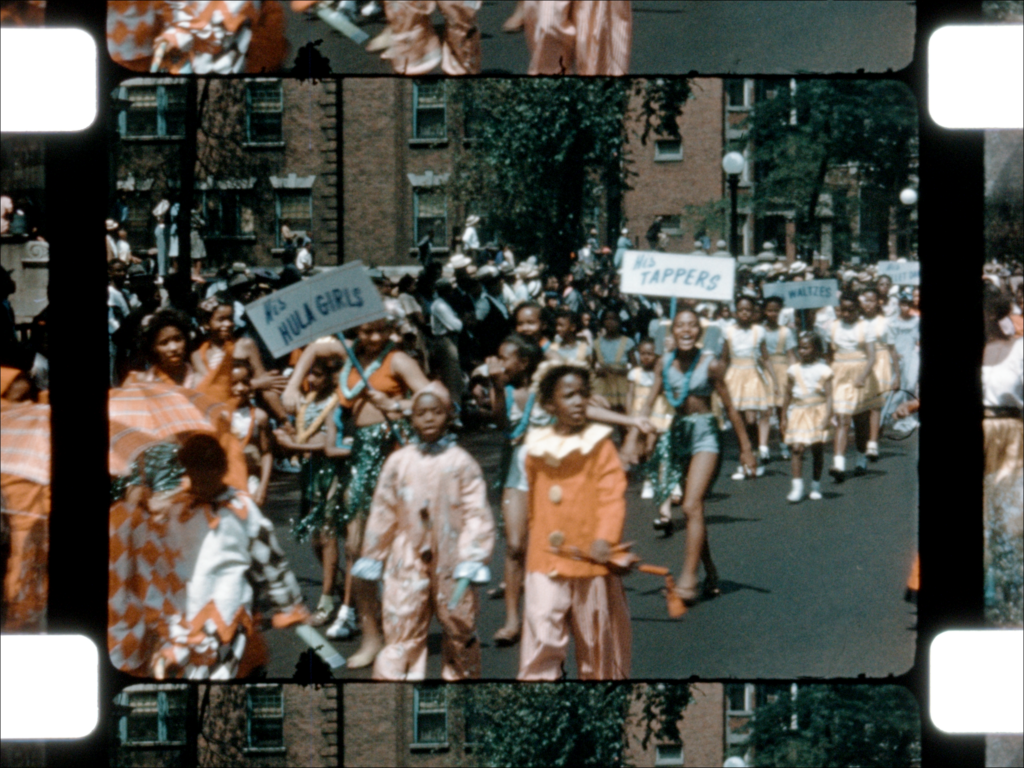
This past summer, local youth from a choreographic arts program (one of the many arts education programs run by UChicago’s cultural stewardship and neighborhood outreach arm, Arts + Public Life) got a look inside SSHMP’s vaults. By watching films of the Bud Billiken Parade—the largest and oldest African American parade in the United States—students worked with choreographers to develop dances based off original archival footage.
“’It’s really interesting to watch teens explore the archive for the first time, and start to understand their belonging in their neighborhood,” says Julia Hinojosa, Arts + Public Life’s Associate Director of Education Programs.
Especially on the South Side—both the largest segment of Chicago, and the most maligned—the archives serve as a crucial repository of public memory. Not of political speeches, or newsworthy moments, but of families who invested in a trusty Super 8 to commemorate backyard barbecues, neighborhood block parties, and the little fleeting moments of joy that made up their lives.
“Just because of what has happened to some of our communities, doesn’t mean that we should leave our communities,” Hinojosa says. “So how can we bring all of that richness and culture and history and prosperity right back?”