
Trumpeters Miles Davis and Freddie Hubbard. Clarinetist Benny Goodman. Pianists Herbie Hancock and Art Tarum. Guitarist Wes Montgomery.
These Midwest-born greats unrolled what we know as jazz, rooted in early 20th century New Orleans and the Black American sound. It spread across the world—and the Heartland—bringing expressive, and often improvisational, sounds to appreciators and musicians.
Jazz takes on a particular kind of life in this region.
“I think that improvisation at its core is important in the Midwest because we are raised in an area where resources are not vast,” says Alex Massa, a musician, composer, and Improvise Arts founder based in the Black Hills of South Dakota.
Living in South Dakota has changed how Massa plays jazz, which they call “spontaneous composition.” The rural Midwest can allow for its own kind of experimentation, Massa says. There’s the space to do so.
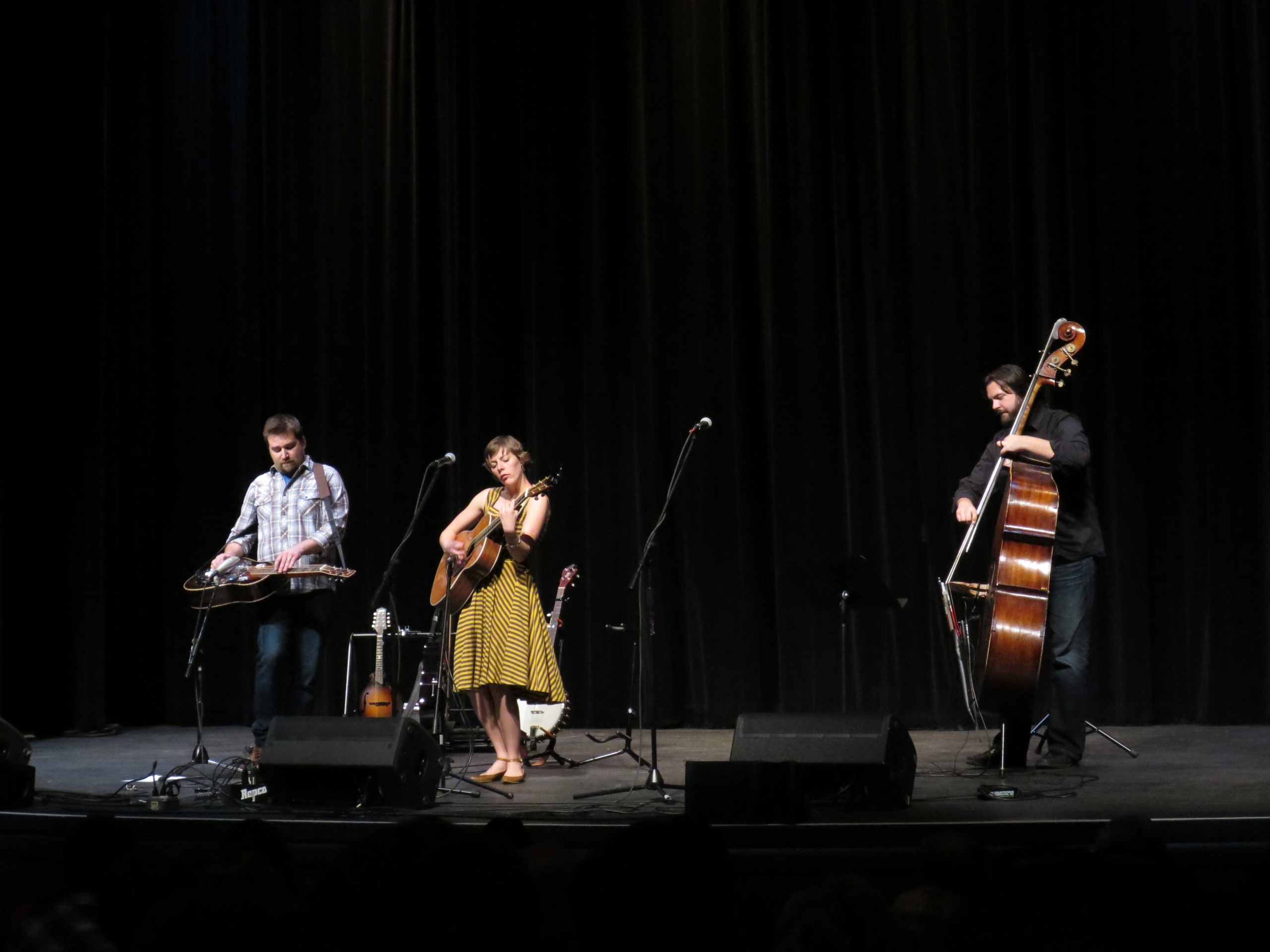
“That sense of the wide-open plains infects our creativity,” says Massa, who has lived and performed across the country. “You have to learn how to improvise with what you have. And then when we bring music into it—when we bring the art form of improvising with other people—it can help a community music scene grow.”
Fellow South Dakotan Reuben Rodriguez plays the bass in Sioux Falls. He says those opportunities Massa describes are really just dialogues—between performers, audiences, and jazz history.
“I think in other genres, it’s more important to kind of stay in the lane and play your part. Where jazz music is more of a conversation,” Rodriguez says.
ALEX MASSA, MUSICIAN & COMPOSER“(Jazz takes) people out of their comfort zone, which is something I do intentionally and that a lot of people hate when they first perform with me . . . They’re like, ‘Oh, no, I can’t do that. I play country music.’ I’m like, ‘Where do you think country music came from?’”
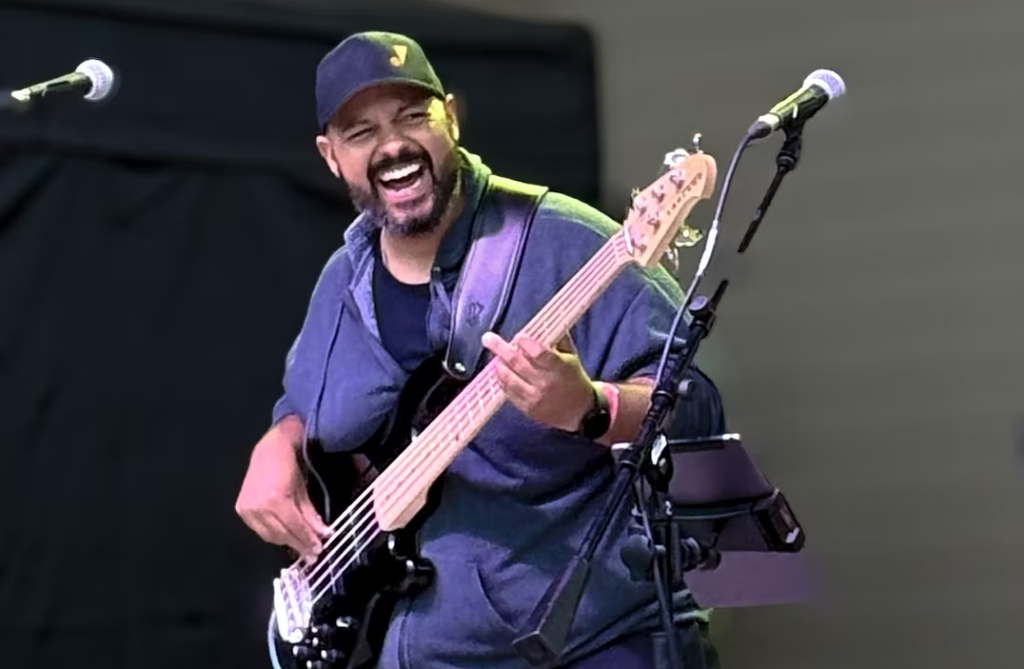
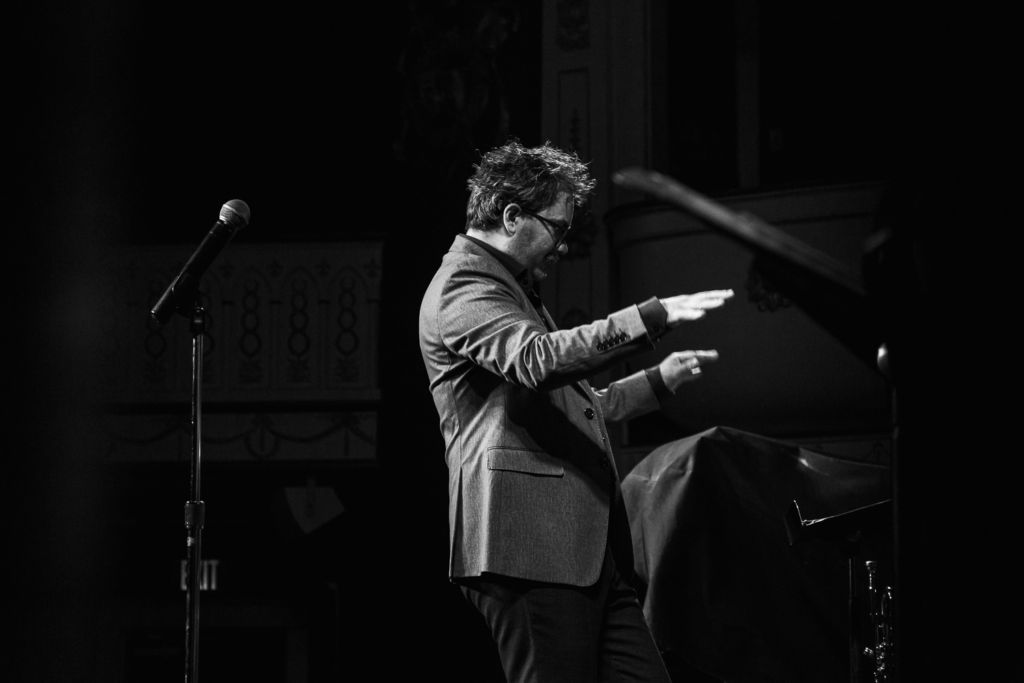
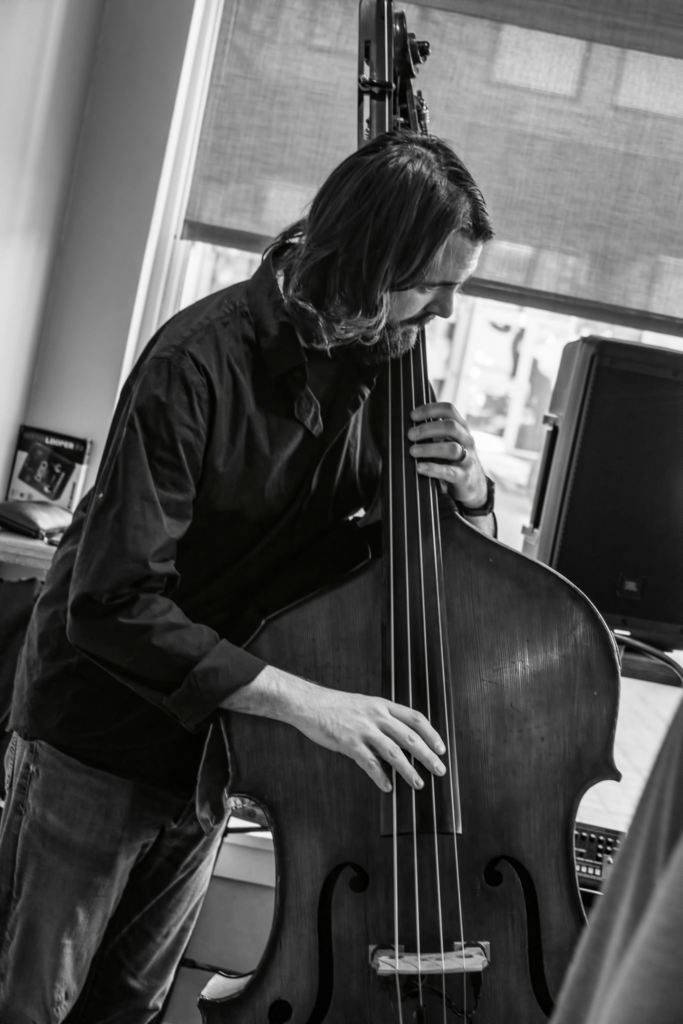
“It’s a language that you’re learning,” adds Andrew Reinartz, a bassist and jazz educator in Sioux Falls, South Dakota. And that language, he says, doesn’t have to be complex: “It just has to be you.”
In jazz solos, musicians typically don’t play sheet music or even anything they’ve practiced. It’s simply what they want to say, right then and there, Reinartz says.
“Whether it’s music, whether it’s words, whether it’s physical movement like dance, or sketching, sit down and just let the sensor in your brain turn off,” Reinartz says. “Don’t self-censor and just go.”

The art of jazz reminds us what life is, bassist Rodriguez says: It’s all improvisation. He also brings it into other forms of music he plays.
“It’s kind of the nature of being human, right? It ebbs and flows—and you change it. (You have to) be aware in the moment.”
That present fluidity is with us, wherever in the Midwest we are (and whatever we’re doing). From practicing another art form or just getting through the workday, everything is dynamic. It’s here and now.
Everything, as the greats might say, is jazz.